

Considering more sustainable methods of developing emerging space transportation technology design is essential in order to secure accessibility to space, avoid impacting negatively on life on Earth and for the profitability of Europe’s space sector. Companies across Europe are developing technologies, design approaches, and materials to improve environmental performance in space transportation. ESA’s programme for the preparation of future space transportation, FLPP, supports this transition by funding development, supporting the development of interoperable infrastructure and embedding sustainability into engineering choices – recognising that solutions must be commercially viable to be adopted in practice, and that targeted support is needed to help bring more sustainable approaches into use.
This work was reflected across two closely linked moments in Paris this month. At ESA’s FLPP Spring Session, eight European companies and research institutes received awards to begin projects under the FIRST! Sustainability campaign. The following day, the programme’s initial Sustainability Workshop provided a more focused working environment.
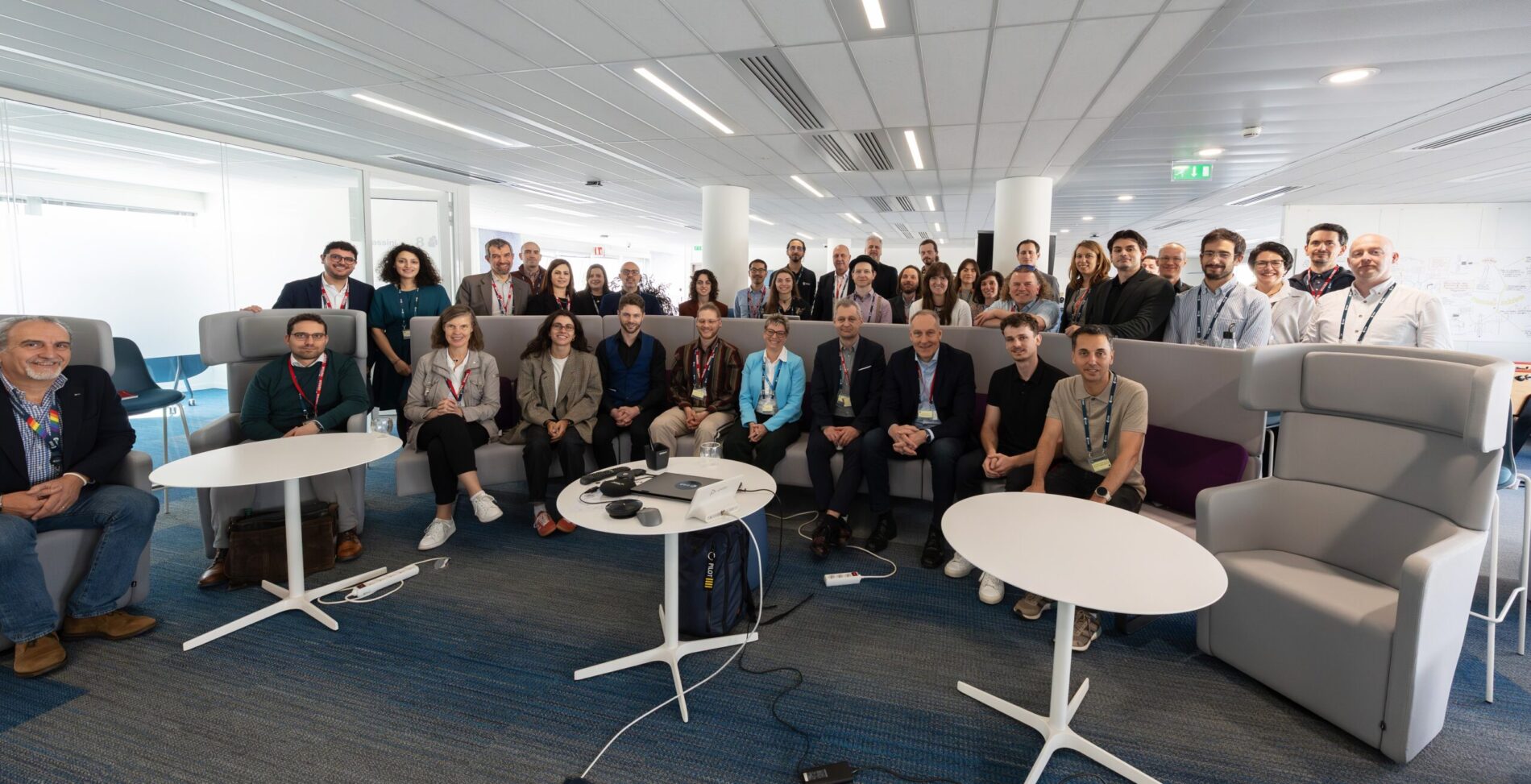
“The focus is on identifying technologies that reduce environmental impact of space transportation and also have market potential,” said Valère Girardin, FIRST! Sustainability Campaign Manager at FLPP. “If they can be demonstrated, they can become viable business opportunities and generate value.”
The themes originated from industry proposals through FIRST! Sustainability’s Call for Ideas published on the OSIP platform, resulting in a campaign that reflects development priorities already emerging within the sector.
- Space transportation vehicles improving environmental sustainability: PerseiSpace
- Processes and manufacturing improving environmental sustainability: 5M
- Ground logistics and resource storage improving environmental sustainability: OHB Czech Space
- Materials and propellant improving environmental sustainability: Avio, ETH Zürich, Tecnalia, Lofith Composites, and Technische Universität Dresden
“Many of the topics we’re discussing are already coming from engineering teams themselves,” said Margaux Duperray, FLPP System Engineer in Environmental Sustainability. “Developing more sustainable space transportation materials and practices is not always straightforward to integrate, but there is growing recognition that it needs to be considered earlier in system design – both for the environment and because it can support a company’s competitiveness.”
Developing Sustainability Targets
Opening the Workshop, ESA Chief Sustainability Officer Andrea Vena outlined how the sustainability objectives in ESA’s Green Agenda are beginning to shape programme implementation. Industrial activities accounted for around 85% of ESA’s greenhouse gas emissions in 2019 and ESA has committed to reducing emissions from its own operational activities by 46% and from supplier-executed activities by 28% by 2030.
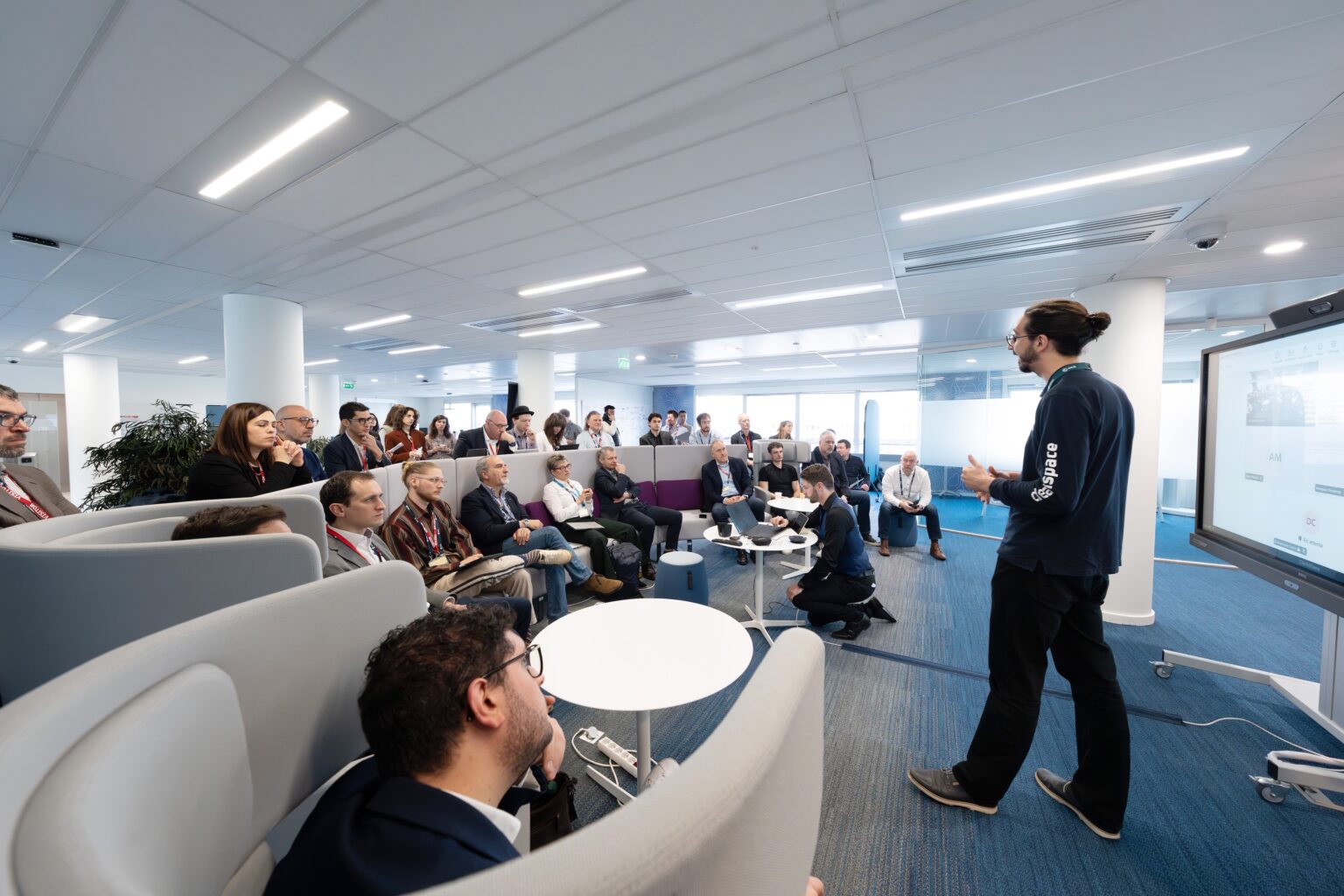
Achieving these reductions will depend partly on the earlier integration of ecodesign practices, with Life Cycle Assessment (LCA), during system definition phases. An updated LCA Handbook and an environmental data repository maintained by the Clean Space Office are intended to support this shift. At regulatory level, a space-specific environmental footprint standard- Product Environmental Footprint Category Rules for the space sector PEFCR4Space – is being developed with the European Commission and it is expected to be adopted ahead of the planned EU Space Act later in the decade. For industry, this points towards more consistent environmental reporting expectations and a clearer basis for comparing design options.
Together, these developments are shaping how environmental performance is considered in early-stage system trade-offs. Workshop discussions reflected the growing attention to propulsion architecture choices, structural mass optimisation and mission end-of-life strategies, particularly as companies assess future regulatory expectations alongside cost, reliability and performance requirements.
“The FIRST! Sustainability Workshop was a fantastic opportunity to bring together academia, SMEs, large primes, and public organisations around a shared sustainability agenda. Discussions like these are essential to align requirements and build a common, more sustainable European vision that supports concrete, actionable standards for the space sector,” said Jesús Manuel Muñoz Tejeda, CEO of Persei Space, expressing confidence that, through programmes such as FLPP, “Europe is clearly moving in the right direction.”
Industry Perspectives on Integrating Sustainability
“What was encouraging during the Workshop was how actively companies engaged with the discussion,” Margaux Duperray added. “The challenges are not the same for large integrators, SMEs or startups, but bringing those perspectives together helps identify solutions that can work in practice.”
In afternoon splinter sessions, participants worked in mixed groups to explore specific technical and methodological challenges. Participants actively discussed how the awareness of sustainability considerations is increasing, and how the methodological effort required to integrate them into day-to-day engineering practice remains significant, reflecting the desire and the complexity of integrating these approaches into existing engineering workflows.
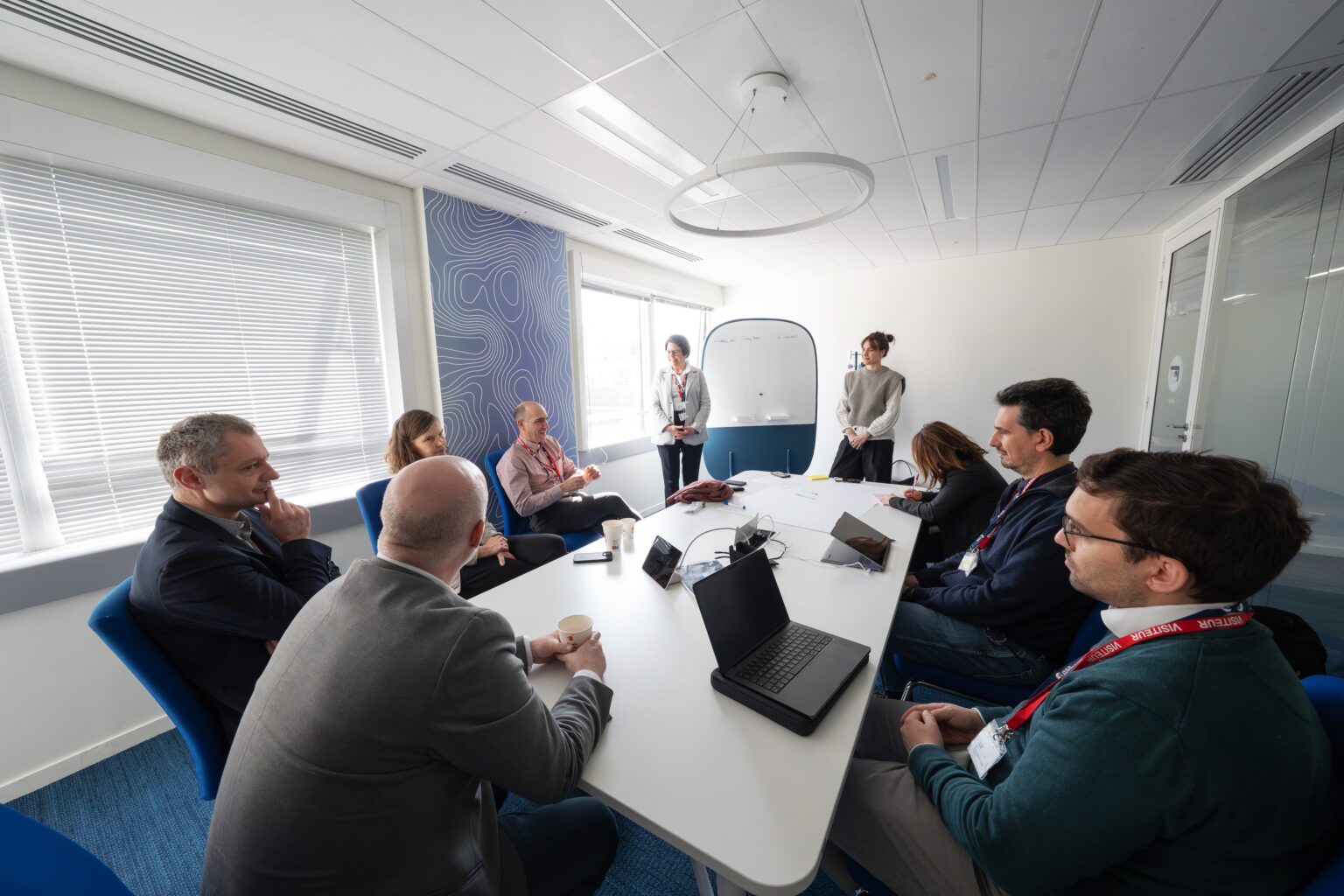
Amador Garcia, CEO of Lofith Composite, noted that “entering the space sector requires more than just advanced materials; it requires understanding the ecosystem, standards, and processes.” ESA programme support was identified as a key enabler in positioning these technologies within existing frameworks.
Participants also highlighted the need for closer coordination between academia and industry – an approach already reflected in ongoing projects involving mixed consortia.
“Part of ESA’s role is to support industry in developing and testing these approaches,” Valère Girardin noted. “That means providing common tools, demonstrator opportunities and a framework where sustainability can be treated as part of normal engineering decisions.”
ESA also emphasised the need to strengthen the evidence base on environmental impacts, working with industry to close current data gaps and understand where regulatory measures should be targeted in order to be effective and relevant.
For companies developing future launchers and in-space transportation capabilities, sustainability considerations are increasingly entering early design discussions rather than being addressed retrospectively. Through initiatives such as FIRST! Sustainability, FLPP is creating opportunities to explore new technologies and support industry as regulatory conditions evolve.
To engage with FLPP sustainability activities, contact Valère Girardin or Margaux Duperray at ESA: valere.girardin@esa.int – margaux.duperray@esa.int.